

These include protections in adverse situations related to auto, home and health. Other operating risks against which an organization can insure its activities include casualty, property, legal liability, credit and life. Credit insurance may be one of the most important forms of protection because it shields companies from substantial losses that often result from business partners’ bankruptcies and temporary financial distress.
How insurance premiums and deductibles work
In this example, let’s assume we purchase a 12-month cyber insurance policy for $1,800 on January 1st, 2023. The term of the policy is only 12 months, therefore we will not recognize any long-term prepaid asset. To recognize the expense of the policy evenly over the policy term, divide the total policy amount of $1,800 by 12 for a monthly insurance premium expense of $150. The amortization schedule has a column for the total cash payment made at the beginning of the subscription term of $2,000.
Recording the Initial Insurance Payment

These expenses are a crucial aspect of financial planning for businesses, as they not only provide a safety net in case of emergencies but also play a significant role in determining the overall profitability of a company. Coverage limits come into play by setting the maximum amount an insurer will pay for a covered loss, affecting the overall cost and level of financial protection offered by the insurance what is insurance expense in accounting policy. Risk management plays a crucial role in determining insurance costs, as well-designed risk mitigation strategies can help lower the overall risk profile of the insured party, leading to potential premium discounts. The cost of insurance is determined by factors such as the coverage limit, deductible amount, the insured party’s age, lifestyle, and health condition.
Types of Contra Expense Accounts
They provide guidelines for financial reporting and accounting practices for insurance companies, ensuring accuracy and comparability. Premiums are the payments made by policyholders to insurance companies in exchange for coverage. Policyholder funds refer to the collected premiums that insurers manage and invest to pay future claims.
Intro to Insurance Accounting Basics
- The loss ratio measures the proportion of claims paid out relative to premiums earned, indicating the effectiveness of underwriting practices.
- On the income statement, insurance expenses are deducted as part of total expenses to determine net income.
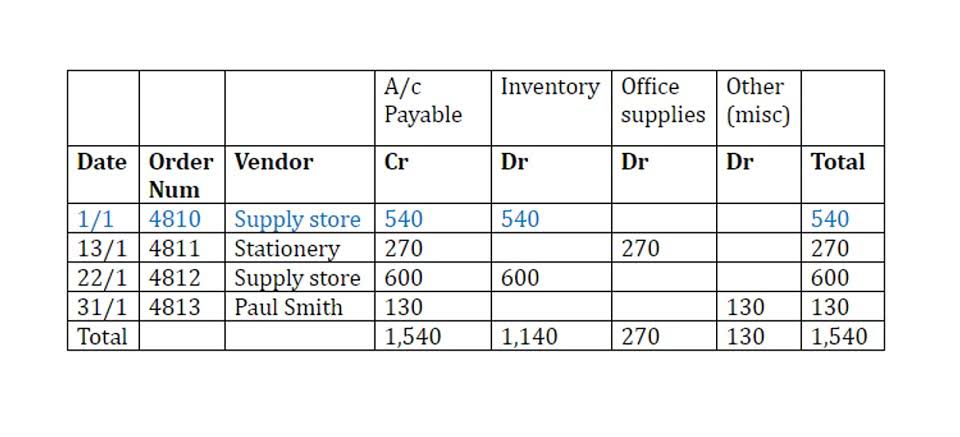
- When you are tracking accounts payable your insurance journal entry will be different to the ones shown further up this page.
- For example, a company may purchase a 12-month policy and pay the full premium in advance.
- Over the year, as the insurance coverage is used, the $1,200 expense is recognized.
- An insurer or insurance company undertakes specific risks thereby Accounts Payable Management protecting the business from possible losses.
The specific treatment will depend on whether the direct or indirect method is used. Initially, when you pay for the insurance, you debit the Prepaid Insurance account (an asset) and credit the Cash account. As time passes and the insurance coverage is used up, you’ll need to make adjusting entries to recognize the insurance expense. An example of insurance expense could involve determining the total cost of an insurance policy by calculating the annual insurance premium required for coverage against specified risks and liabilities.
- So, if you originally put the repairs against a Repairs & Maintenance expense account, that is the account you will put the insurance proceeds against.
- Passing adjustment entries to balance the books of accounts is often helpful, preventing one from making an entry for new business transactions.
- Insurance premium financing is a method where businesses take out loans to pay for their insurance premiums.
- Here are some common types of insurance that are recommended for a business depending on the type of business they operate.
Typically an entity will pay its insurance premiums at the beginning of the policy period, recognizing a prepaid asset subsequently amortized over the adjusting entries term of the policy. The most-common examples of prepaid expenses in accounting are prepaid rent from leases, prepaid software subscriptions, and prepaid insurance premiums. Below you’ll find a detailed description of each one as well as detailed accounting examples for each. Prepaid expenses, or Prepaid Assets as they are commonly referred to in general accounting, are recognized on the balance sheet as an asset.
What happens if I don’t adjust prepaid insurance?
One of the key aspects of insurance accounting is the recognition and measurement of premiums, claims, and reserves. Refers to insurance premiums paid in advance The adjustment is done through an adjustment entry at the end of the accounting period. Adjustment entry helps ensure that proper insurance expense for the accounting period gets recorded in the profit and loss account. Prepaid insurance represents the QuickBooks Accountant value of insurance coverage that has been paid for but not yet used. As each accounting period passes, a portion of the prepaid insurance is transferred to insurance expense, reflecting the coverage consumed during that period.