
Alcohol, especially when consumed heavily, may contribute to this degeneration, leading to floaters, flashes, and potentially more serious eye conditions. Over time, this can lead to reduced uptake of crucial eye-supporting nutrients. Alcohol impairs the communication between neurotransmitters in the brain, affecting how the brain processes what the eyes see. Alcohol disrupts the communication between the brain and sensory organs (e.g., eyes and ears), leading to changes in vision, hearing, and perception of the sounds and sights around you. Within five minutes, alcohol reaches your brain, slowing down the central nervous system and affecting the way you feel, think, and behave. Treat them with the care they deserve, and they’ll continue to serve you well throughout your life.
How Alcohol Affects the Eyes?
- Some Problems From Heavy DrinkingDouble and distorted vision can occur from information that is slowed down between the eye and the brain.
- In fact, it is not unheard of for heavy drinkers to develop permanently blurred or double vision.
- This makes it harder for your pupils to react, so they can’t constrict or dilate properly.
- This triggers short-term inflammation and double vision that causes burning and itching of the eyes, migraines, and sensitivity to light.
- While the following effects typically resolve once alcohol leaves your system, they’re worth understanding—especially if you notice your vision changes after having a few drinks.
Your eyes contain thousands of tiny blood vessels (capillaries) that are normally quite small and barely visible. When alcohol enters your system, it triggers these capillaries to expand. The increased blood flow makes them appear more prominent against the white of your eye. This expansion, especially in the conjunctiva (the clear tissue over the white part of the eyes), makes blood vessels more visible, causing red or bloodshot eyes. Alcohol, as a central nervous system depressant, slows down the communication speed of these neurotransmitters. This slowdown means that the instructions our brain sends to different body parts, including our eyes, are not transmitted as efficiently or effectively as without alcohol.
Bloodshot Eyes
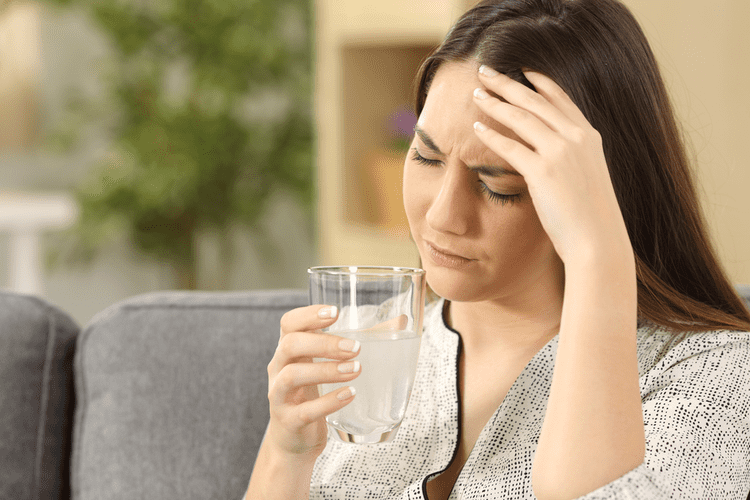
In the case of damage to the eye from alcohol abuse, it is best to be wise in preventing it. A leading ophthalmologist has warned alcohol is toxic and easily damage the optic nerve. Alcohol impairs the coordination between the eyes and the brain, causing double vision or nystagmus, characterised by involuntary eye movements that lead to distorted or shaky vision. If you suspect that your colour vision is being affected by alcohol consumption, you can take a colour-blind test developed by Japanese ophthalmologist Shinobu Ishihara.
How Alcohol Affects Your Vision and Eye Health

This condition is caused by excessive drinking and smoking and can result in a painless loss of vision, decreased peripheral vision, and reduced colour vision. Heavy alcohol consumption over an extended period can lead to nutritional optic drunk vision neuropathy, caused by the body’s inability to absorb essential nutrients like vitamin B1 (thiamine). Thiamine deficiency can damage the optic nerve, resulting in permanent vision loss if left untreated.
- For example, switching focus between a smartphone screen and a distant sign may become challenging after consuming two to three drinks.
- If you are unable to see the number within the dots, you might have tritanopia.
- Find out why Florida Eye Specialists & Cataract Institute is the name more Tampa Bay residents have trusted with their eye care since 1981.
- Being in brightly lit environments can make it uncomfortable or even painful.
Finally, intense inflammation and scarring lead to the development of fibrosis and cirrhosis, which are caused by inflammation and severe what is alcoholism scarring. While fatty liver disease and hepatitis can be reversed with a cessation in alcohol consumption, the same can’t be said about fibrosis and cirrhosis. What many don’t realize is that alcohol use can influence vision, and even increase your risk of developing a vision impairment. At San Antonio Recovery Center, we often get questions about alcohol and its common side effects.
What Are Bionic Eyes? Future of Restoring Sight Explained
DR is a serious eye condition that affects the red blood cells behind a person’s eyes. Heavy drinking drains your body’s natural reserves – which may result in optic neuritis. This condition inflames the optic nerve, leading to loss of central vision and blurry vision. A lazy eye can stem from excessive drinking, which increases your risk of vision loss and/or permanent damage. Chronic alcohol consumption can lead to persistent dry eyes due to its diuretic effect.
Most people know about the most common risks excessive alcohol consumption poses to your health, including liver damage, anemia, cardiovascular disease, and depression. What many don’t know, though, is that heavy drinking can damage eyes. Scientific studies have shown that heavy drinkers are likely to develop glaucoma, https://ecosoberhouse.com/ a group of conditions that damage the optic nerves. It causes vision loss (temporary or permanent in severe cases), eye pain, and redness. You may have had the experience of having too much to drink one night, maybe at a party or celebration; things begin to get blurry as the alcohol affects your brain and vision.
Alcohol and Your Eyes: How Much Eyesight Damage Does Drinking Cause?
- Additionally, some studies have tied excess alcohol consumption to the development of cataracts.
- Additionally, alcohol can cause dangerous spikes in eye pressure.
- Yellow eyes are not a permanent condition, and if it’s caused by alcohol-related liver damage, you can find healing from that, too.
- Furthermore, heavy drinking over an extended period may damage the eyes, leading to potential issues such as distorted vision or even sight-threatening diseases.
Understanding these effects underscores the importance of responsible drinking to protect both vision and overall safety. Alcohol is one of the most dehydrative chemicals for your mind and body. This form of bloodshot or reddened is not a symptom of a serious underlying condition, but a factor of full-body and eye dehydration. However, over time these persistent alcohol-induced dehydration factors can have long-term consequences on your body. This includes chemical deficiencies in vital organs and added strain on the cardiovascular and central nervous system. Optic nerve damage is very closely linked to neurological damage sustained by the brain when participating in heavy drinking.
To avoid more severe health consequences, have your eyes checked annually, whether you drink heavily or not. A general eye exam can help you catch and treat eye diseases like macular degeneration before they cause vision loss. Research has linked alcoholism to an increased risk of developing macular degeneration and optic neuropathy, diseases that can lead to blindness if left untreated. Excessive alcohol consumption has been linked to a myriad of health issues, but its impact on vision, particularly in accelerating macular degeneration, is a concern that warrants attention.